

Browse by Focus Area
Our work focuses on the systems that connect learning to work, capability to opportunity, and human potential to economic value.
Human Capital & Productivity
Productivity begins with people. This focus area examines how education, skills, experience, judgment, learning, and workplace capability shape Canada’s economic performance. It asks why high levels of educational attainment do not automatically translate into stronger productivity, and what systems are needed to close that gap.
Explains Canada’s productivity challenge and why human capital — people’s skills, capabilities, learning, and experience — must be part of the solution.

Reframes talent development as a human capital supply chain that connects learners, educators, employers, credentials, and labour-market demand.
Maps the wider learning ecosystem and shows how certified, non-certified, informal, and workplace learning can better support productivity.
Outlines policy tools for opening learning systems, improving recognition, and helping people build and demonstrate capabilities across their careers.

Applies the open learning architecture to Alberta and imagines how the province could build a lifelong learning system by 2036.
Evergreen by Design introduces the Evergreen Model, an architecture for understanding how different forms of human capability retain, lose, renew, and demonstrate value as labour markets change.
Learning & Capability Development
Canada needs learning systems that prepare people not only for their first job, but for continuous adaptation across a working life. This focus area explores how people develop durable knowledge, transferable skills, adaptive capability, and the confidence to apply learning in changing contexts.
Explains Canada’s productivity challenge and why human capital — people’s skills, capabilities, learning, and experience — must be part of the solution.
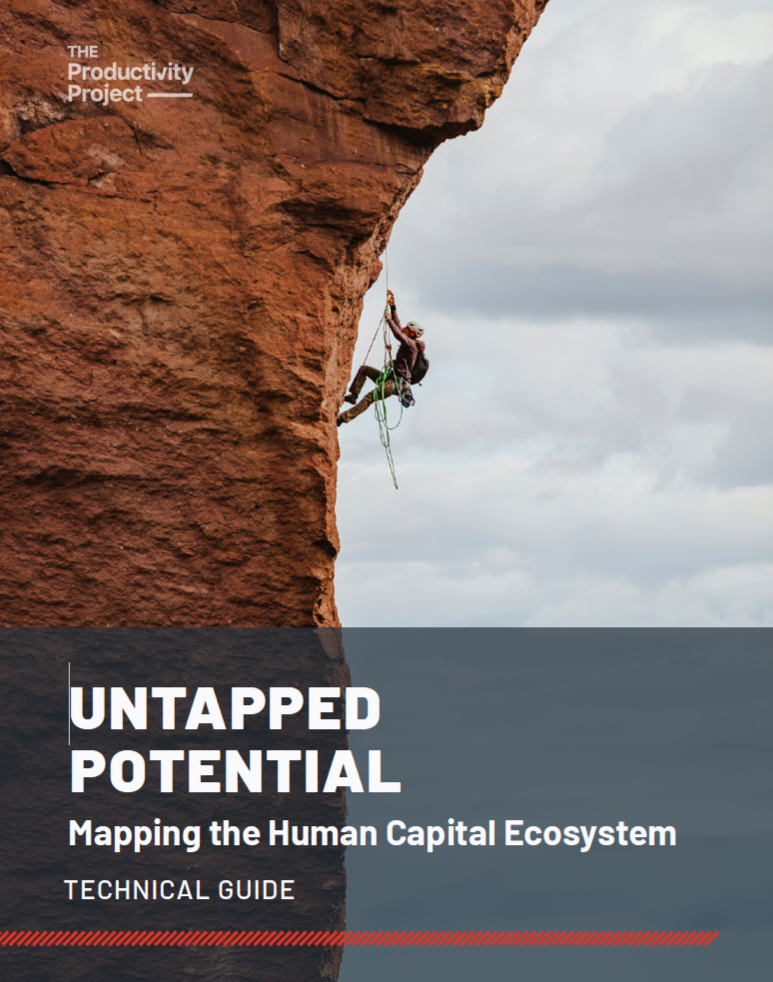
Maps the wider learning ecosystem and shows how certified, non-certified, informal, and workplace learning can better support productivity.
Outlines policy tools for opening learning systems, improving recognition, and helping people build and demonstrate capabilities across their careers.
Introduces the case for lifelong open learning and explains why traditional education systems are not enough for a changing economy.

Uses the climbing wall metaphor to show how people need multiple routes, entry points, and supports to move through learning and work.
Evergreen by Design introduces the Evergreen Model, an architecture for understanding how different forms of human capability retain, lose, renew, and demonstrate value as labour markets change.
Entry-Level Work & Career Pathways
Entry-level jobs have historically helped people convert education into experience, judgment, networks, and workplace capability. This focus area examines how those pathways are changing, why early-career opportunities are weakening, and what this means for productivity, equity, and long-term talent development.
Explains Canada’s productivity challenge and why human capital — people’s skills, capabilities, learning, and experience — must be part of the solution.

Identifies the major forces reshaping work, skills, and regional labour markets, and why Canada needs stronger systems for workforce adaptation.
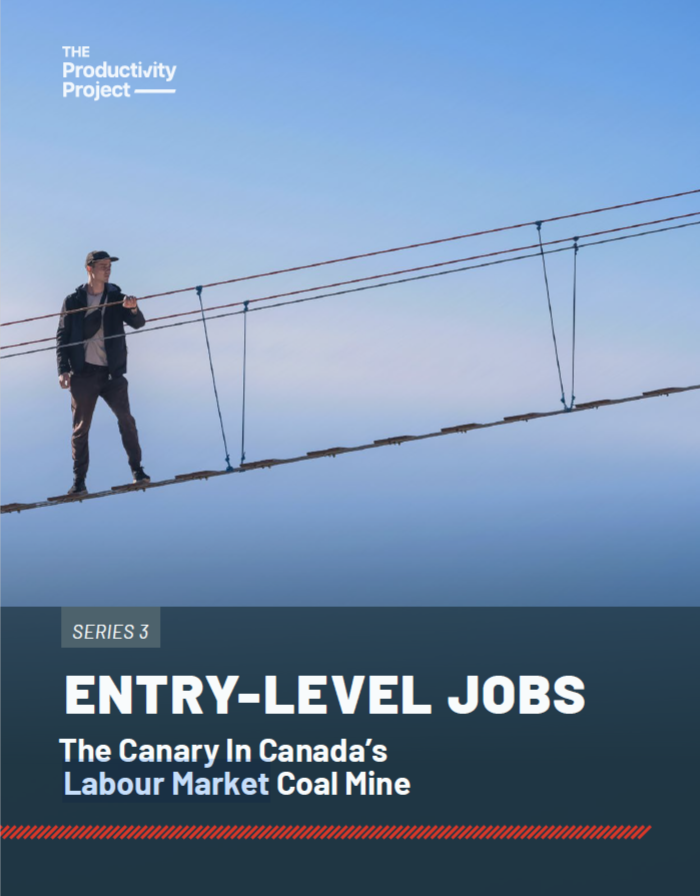
Explains why the decline of entry-level work is an early warning sign for Canada’s ability to turn learning into opportunity.
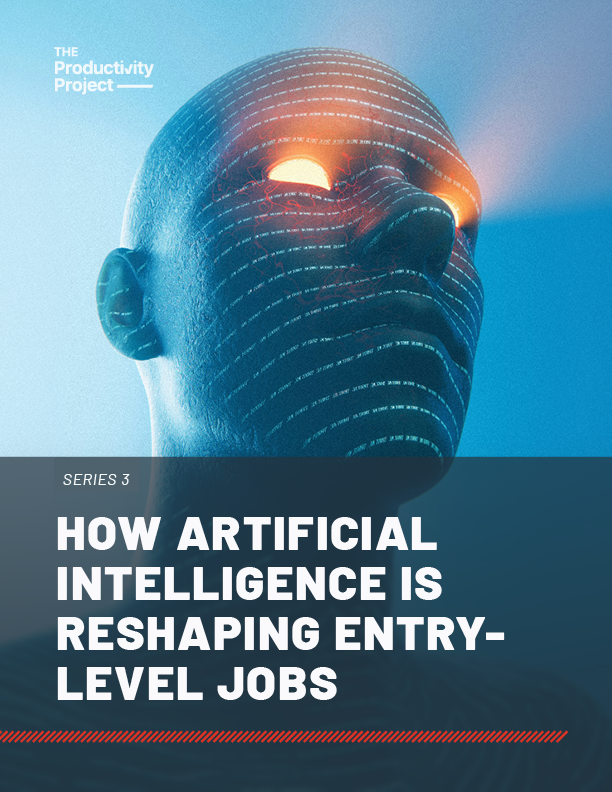
Shows how AI is changing the junior tasks that once helped new workers build skills, confidence, networks, and experience.

This study explores the impact of remote and hybrid work on developing early career workers and the broader implications to the labour market.

Introduces a framework for understanding the durable knowledge, transferable skills, domain expertise, and renewal capacity people need to adapt.
Labour-Market Disruption
Automation, demographic change, regional economic shifts, and changing employer practices are reshaping how people enter, move through, and adapt within the labour market. This focus area examines how disruption affects productivity, equity, career pathways, skills demand, and the capacity of learning systems to respond.
Identifies the major forces reshaping work, skills, and regional labour markets, and why Canada needs stronger systems for workforce adaptation.
Reframes talent development as a human capital supply chain that connects learners, educators, employers, credentials, and labour-market demand.
Maps the wider learning ecosystem and shows how certified, non-certified, informal, and workplace learning can better support productivity.
Explains why hiring is a risk-management problem and how better signals of capability can improve employer confidence and opportunity.
Explains why some skills lose value quickly, some remain useful over time, and others regain value as conditions change.
Recognition and Open Learning Systems
Much of what people know and can do is developed outside traditional credentials. This focus area explores how certified, non-certified, informal, experiential, and workplace-based learning can be better recognized, trusted, and connected to labour-market value.
Maps the wider learning ecosystem and shows how certified, non-certified, informal, and workplace learning can better support productivity.
Outlines policy tools for opening learning systems, improving recognition, and helping people build and demonstrate capabilities across their careers.

Focuses on the learner and proposes tools that help people navigate learning, verify capabilities, find mentors, and access funding.
Uses the climbing wall metaphor to show how people need multiple routes, entry points, and supports to move through learning and work.

Explores how Alberta could communicate, promote, and build public trust in a new open learning and human capital system.
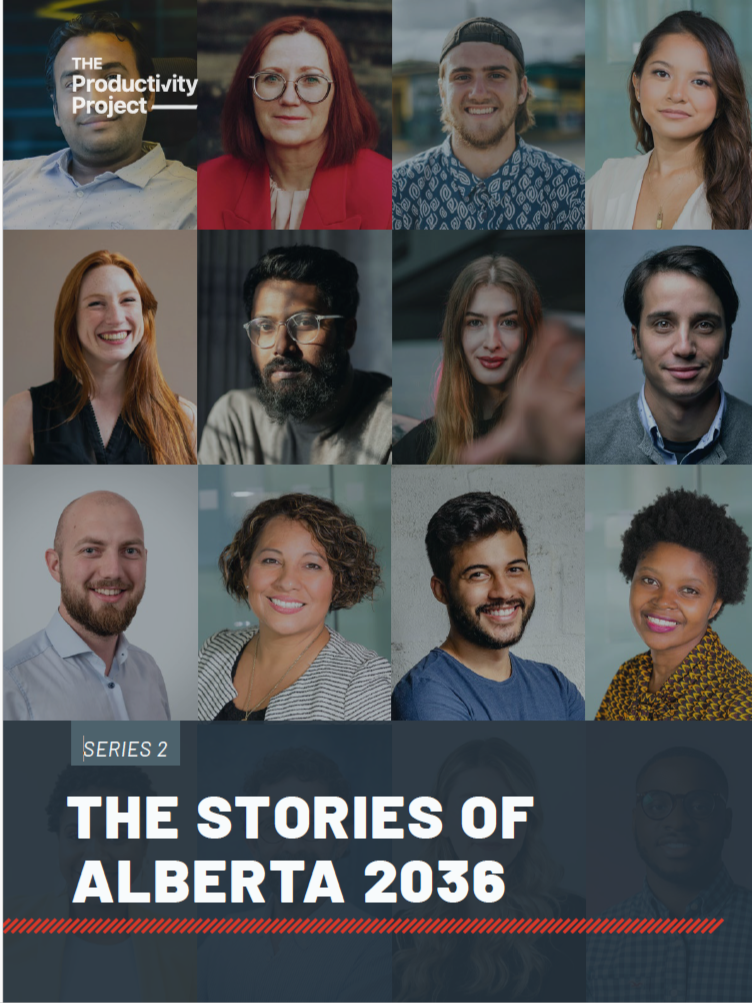
Uses future stories to make the open learning architecture concrete, showing how learners, employers, and providers could experience change.
Regional Human Capital Systems
Human capital is developed through systems, not isolated programs. This focus area examines how governments, employers, learning providers, credentialing bodies, community partners, and regional institutions can coordinate more effectively to build adaptive, future-ready human capital systems.
Explains Canada’s productivity challenge and why human capital — people’s skills, capabilities, learning, and experience — must be part of the solution.
Identifies the major forces reshaping work, skills, and regional labour markets, and why Canada needs stronger systems for workforce adaptation.

Reframes talent development as a human capital supply chain that connects learners, educators, employers, credentials, and labour-market demand.
Maps the wider learning ecosystem and shows how certified, non-certified, informal, and workplace learning can better support productivity.

Applies the open learning architecture to Alberta and imagines how the province could build a lifelong learning system by 2036.
Not Sure Where to Start?
The Productivity Project’s research is intentionally interconnected. A report may be relevant to more than one audience, focus area, or policy challenge. If you are looking for a tailored starting point, use the Research Library pathways or contact the Project for a briefing.